


Your cart
0
Your cart is empty
But that's easy to fix! Choose something tasty and healthy from our catalog.


Erythritol is a sugar alcohol (polyol) that naturally occurs in some fruits (such as melons, pears and grapes) and fermented foods. At industrial scale it is produced by fermenting glucose with special yeasts or other…
Erythritol is a sugar alcohol (polyol) that naturally occurs in some fruits (such as melons, pears and grapes) and fermented foods. At industrial scale it is produced by fermenting glucose with special yeasts or other…
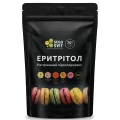
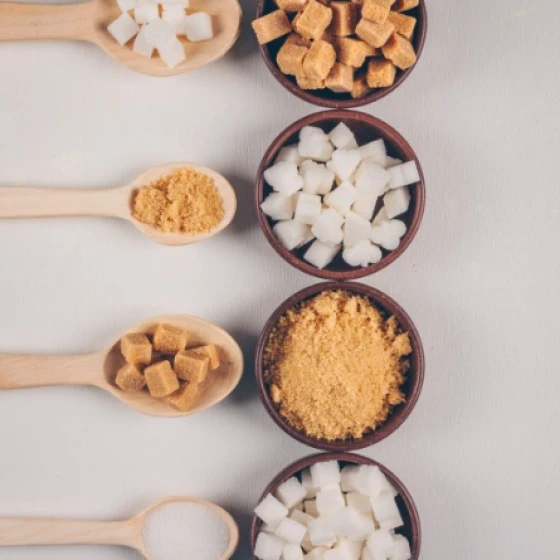
Erythritol is a sugar alcohol (polyol) that naturally occurs in some fruits (such as melons, pears and grapes) and fermented foods. At industrial scale it is produced by fermenting glucose with special yeasts or other microorganisms. In look and taste it is as close to regular sugar as it gets, without sugar's downsides.
"Erythritol has about 70% of regular sugar's sweetness while containing almost zero calories (0–0.2 kcal/g)."
Erythritol is a sugar alcohol (polyol) that naturally occurs in some fruits and fermented foods. Compared with regular sugar it is far lower in calories and does not cause the same rise in blood glucose. Thanks to these properties erythritol is used in many foods and drinks as an alternative to traditional sugar.
After consumption erythritol is quickly absorbed in the small intestine and mostly leaves the body unchanged. It is barely metabolised the way regular carbohydrates are, so its effect on glucose levels is minimal. It also does not feed the bacteria of the mouth, which is why it is often used in products where cutting regular sugar matters.
At the same time, tolerance may vary depending on the amount and individual sensitivity. With excessive intake some people may feel digestive discomfort, so, as with any sweetener, moderation and the recommended amounts are the way to go.
When making desserts, keep in mind that erythritol does not caramelise the way sugar does. It is, however, excellent in sponge cakes and cookies.
As with any food, moderation matters. In excessive amounts (over 50g at once) erythritol may cause mild stomach discomfort, though the risk is far lower than with xylitol or maltitol.
The human body has no enzymes to break erythritol down, so it leaves almost unchanged. For most people it is perfectly safe and causes no bloating when recommended amounts are respected.
Erythritol is a handy choice for anyone cutting sugar, watching their figure or keeping carbs in check. It brings the familiar sweet taste with zero calories and no impact on the glycemic response.
The key is choosing a quality product from trusted brands. Solosvit guarantees maximum purity with no additives, which makes it a perfect fit for your everyday healthy diet.



 30 min